Nervous system & sense organs
Corpus callosum
- System
- Nervous system & sense organs
- Regions
- Head
- Part of
- Commissural fibres of telencephalon
DescriptionUnreviewed
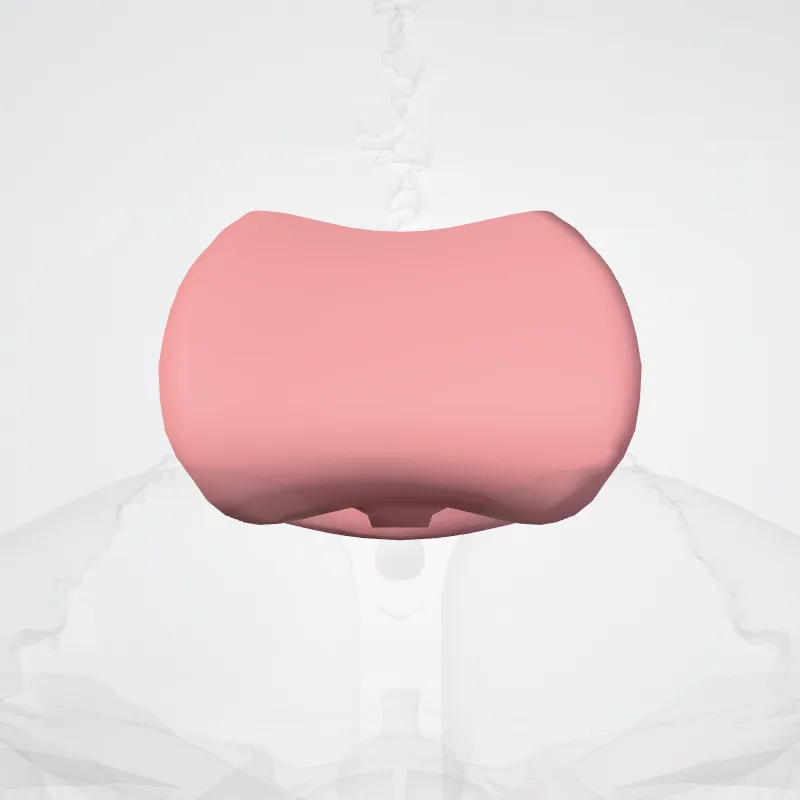
The corpus callosum (Latin for "tough body"), also callosal commissure, is a wide, thick nerve tract, consisting of a flat bundle of commissural fibers, beneath the cerebral cortex in the brain.
The corpus callosum is only found in placental mammals.
It spans part of the longitudinal fissure, connecting the left and right cerebral hemispheres, enabling communication between them.
It is the largest white matter structure in the human brain, about ten centimetres in length and consisting of 200–300 million axonal projections.
A number of separate nerve tracts, classed as subregions of the corpus callosum, connect different parts of the hemispheres.
The main ones are known as the genu, the rostrum, the trunk or body, and the splenium.
Continue reading on Wikipedia →
Source: Wikipedia · Text licence: CC BY-SA 3.0 · This text comes from the source data and has not been reviewed by a person yet.
Names
- Latin
- Corpus callosum
- English
- Corpus callosum
- French
- Corps calleux
- Spanish
- Cuerpo calloso
- Portuguese
- Corpo caloso