Skeletal system
Distal phalanx of second finger of foot
Phalanx distalis secundum digitorum pedis
- System
- Skeletal system
- Regions
- Lower limb, Foot
- Side
- Left and right
- Part of
- Phalanges of foot
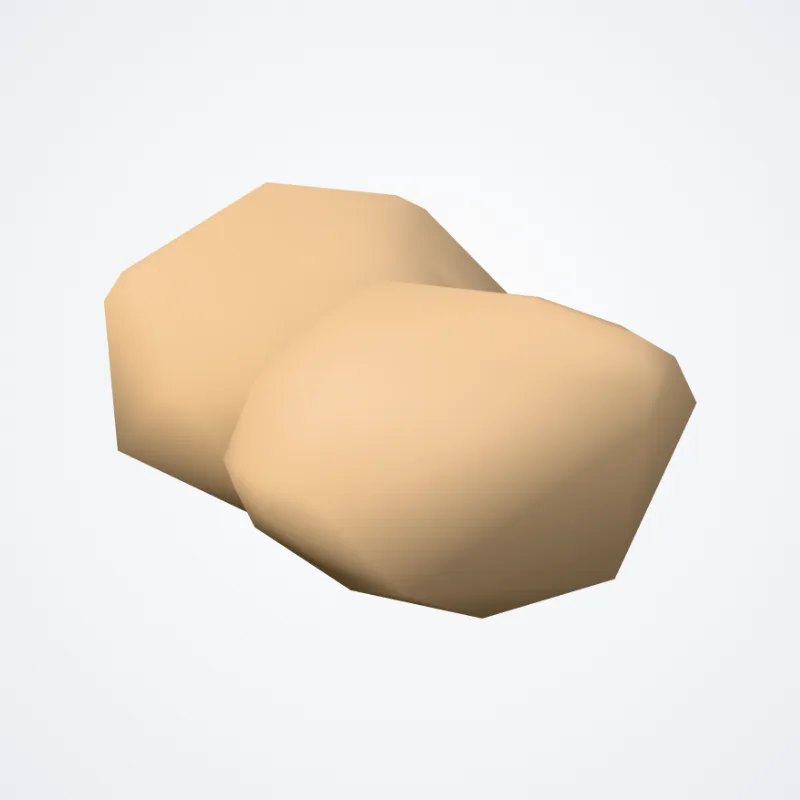
DescriptionUnreviewed
The phalanx (Ancient Greek: φάλαγξ; plural phalanxes or phalanges, φάλαγγες, phalanges) was a rectangular mass military formation, usually composed entirely of heavy infantry armed with spears, pikes, sarissas, or similar pole weapons.
The term is particularly used to describe the use of this formation in Ancient Greek warfare, although the ancient Greek writers used it to also describe any massed infantry formation, regardless of its equipment.
Arrian uses the term in his Array against the Alans when he refers to his legions.
In Greek texts, the phalanx may be deployed for battle, on the march, or even camped, thus describing the mass of infantry or cavalry that would deploy in line during battle.
They marched forward as one entity. The term itself, as used today, does not refer to a distinctive military unit or division (e.g., the Roman legion or the contemporary Western-type battalion), but to the type of formation of an army's troops.
Therefore, this term does not indicate a standard combat strength or composition but includes the total number of infantry, which is deployed in a single formation known as a "phalanx". Many spear-armed troops historically fought in what might be termed phalanx-like formations.
This article focuses on the use of the military phalanx formation in Ancient Greece, the Hellenistic world, and other ancient states heavily influenced by Greek civilization.
Continue reading on Wikipedia →
Source: Wikipedia · Text licence: CC BY-SA 3.0 · This text comes from the source data and has not been reviewed by a person yet.
Muscle attachments
Muscles that insert here
Names
- Latin
- Phalanx distalis secundum digitorum pedis
- English
- Distal phalanx of second finger of foot
- French
- Phalange distale du deuxième doigt de pied
- Spanish
- Falange distal del segundo dedo del pie
- Portuguese
- Falange distal do segundo dedo do pé
In the same group
- Distal phalanx of fifth finger of foot
- Distal phalanx of first finger of foot
- Distal phalanx of fourth finger of foot
- Distal phalanx of third finger of foot
- Middle phalanx of fifth finger of foot
- Middle phalanx of fourth finger of foot
- Middle phalanx of second finger of foot
- Middle phalanx of third finger of foot
- Proximal phalanx of fifth finger of foot
- Proximal phalanx of first finger of foot
- Proximal phalanx of fourth finger of foot
- Proximal phalanx of second finger of foot
- Proximal phalanx of third finger of foot