Skin & body regions
Inguinal region
Regio inguinalis
- System
- Skin & body regions
- Regions
- Trunk
- Side
- Left and right
- Part of
- Regions of abdomen
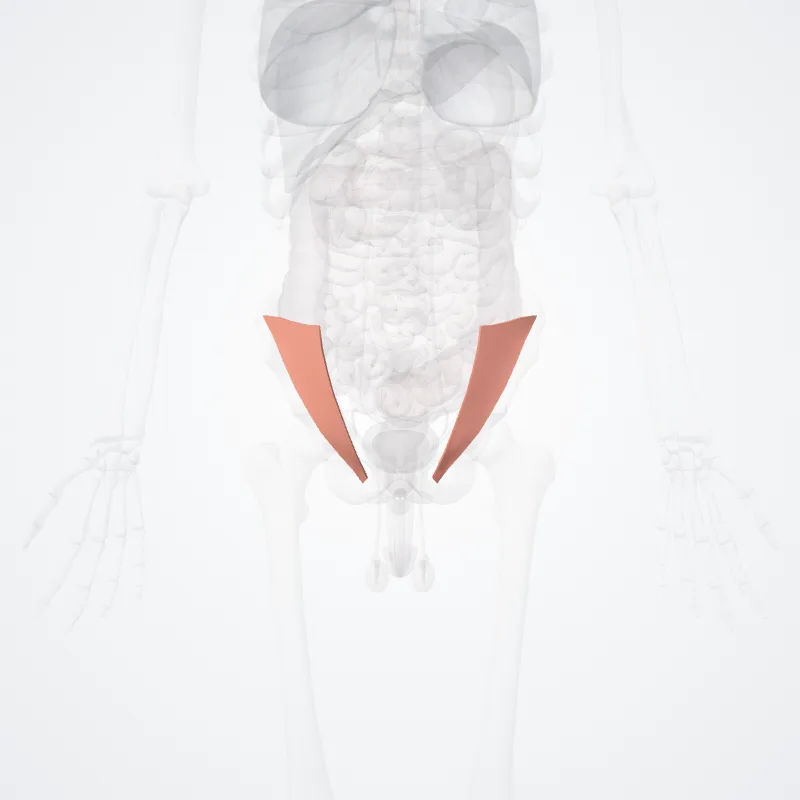
DescriptionUnreviewed
In human anatomy, the groin (the adjective is inguinal, as in inguinal canal) is the junctional area (also known as the inguinal region) between the abdomen and the thigh on either side of the pubic bone.
This is also known as the medial compartment of the thigh that consists of the adductor muscles of the hip or the groin muscles.
A pulled groin muscle usually refers to a painful injury sustained by straining the hip adductor muscles.
These hip adductor muscles that make up the groin consist of the adductor brevis, adductor longus, adductor magnus, gracilis, and pectineus.
These groin muscles adduct the thigh (bring the femur and knee closer to the midline).
The groin is innervated by the obturator nerve, with two exceptions:
the pectineus muscle is innervated by the femoral nerve, and the hamstring portion of adductor magnus is innervated by the tibial nerve.
In the groin, underneath the skin, there are three to five deep inguinal lymph nodes that play a role in the immune system.
These can be swollen due to certain diseases, the most common one being a simple infection, and, less likely, from cancer.
A chain of superficial inguinal lymph nodes drain to the deep nodes.
The inguinal ligament runs from the pubic tubercle to the anterior superior iliac spine, and its anatomy is very important for hernia operations.
Continue reading on Wikipedia →
Source: Wikipedia · Text licence: CC BY-SA 3.0 · This text comes from the source data and has not been reviewed by a person yet.
Names
- Latin
- Regio inguinalis
- English
- Inguinal region
- French
- Région inguinale
- Spanish
- Región inguinal
- Portuguese
- Região inguinal