Group · Cardiovascular system
Pulmonary valve
Valva trunci pulmonalis
- System
- Cardiovascular system
- Regions
- Trunk
- Part of
- Root of pulmonary trunk
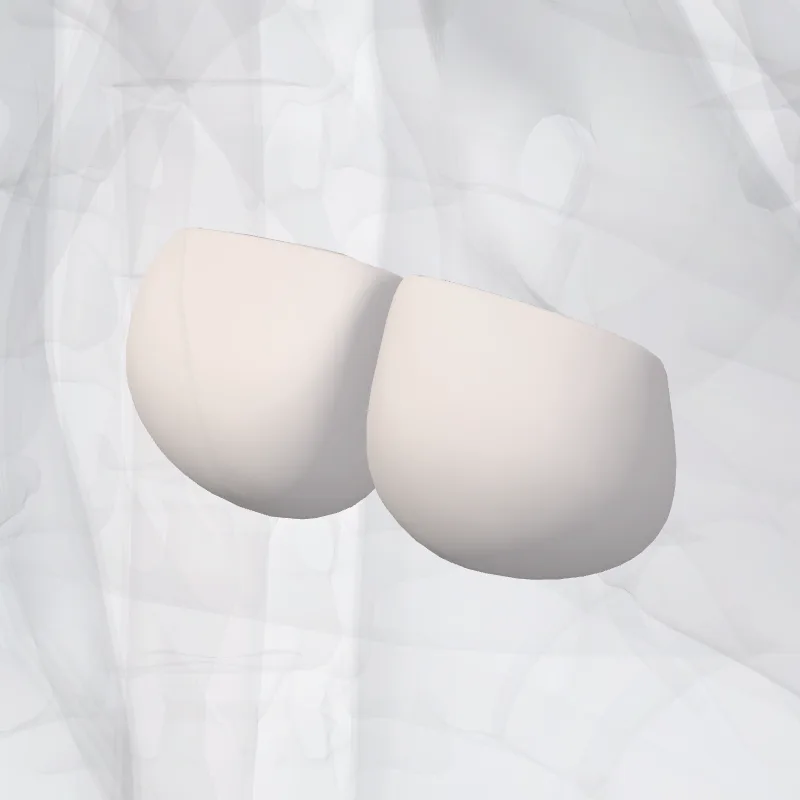
DescriptionUnreviewed
The pulmonary valve (sometimes referred to as the pulmonic valve) is a valve of the heart that lies between the right ventricle and the pulmonary artery and has three cusps.
It is one of the four valves of the heart and one of the two semilunar valves, the other being the aortic valve.
Similar to the aortic valve, the pulmonary valve opens in ventricular systole, when the pressure in the right ventricle rises above the pressure in the pulmonary artery.
At the end of ventricular systole, when the pressure in the right ventricle falls rapidly, the pressure in the pulmonary artery will close the pulmonary valve. The closure of the pulmonary valve contributes the P2 component of the second heart sound (S2).
The right heart is a low-pressure system, so the P2 component of the second heart sound is usually softer than the A2 component of the second heart sound.
However, it is physiologically normal in some young people to hear both components separated during inhalation.
Continue reading on Wikipedia →
Source: Wikipedia · Text licence: CC BY-SA 3.0 · This text comes from the source data and has not been reviewed by a person yet.
Parts
Names
- Latin
- Valva trunci pulmonalis
- English
- Pulmonary valve
- French
- Valve pulmonaire
- Spanish
- Valva pulmonar
- Portuguese
- Valva pulmonar