Nervensystem und Sinnesorgane
Medulla oblongata
- System
- Nervensystem und Sinnesorgane
- Regionen
- Kopf
- Seite
- Links und rechts
- Teil von
- Trucus encephali
BeschreibungUngeprüft
Beschreibungen gibt es nur auf Englisch.
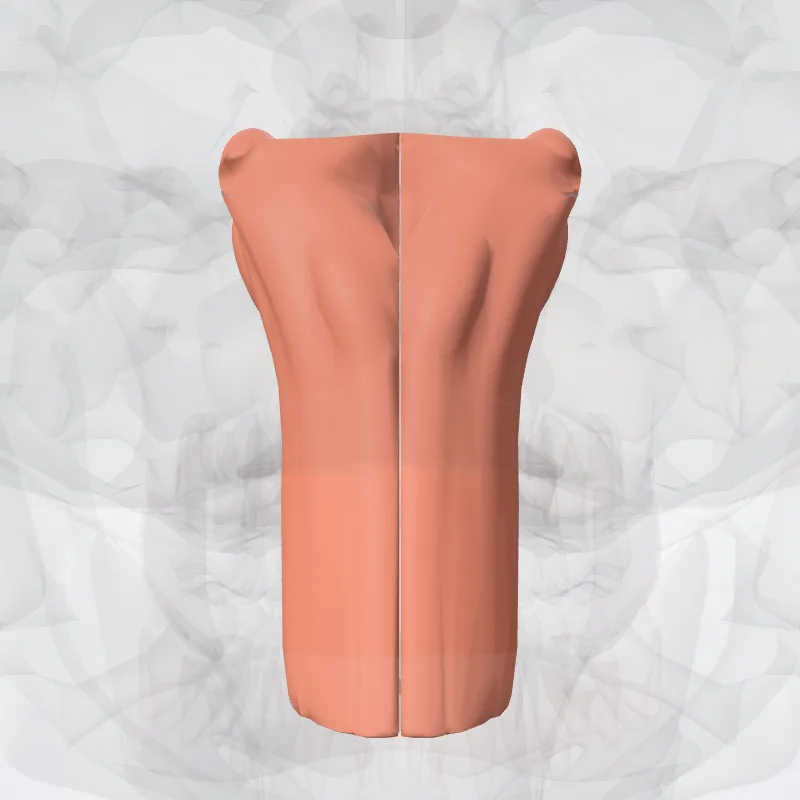
The medulla oblongata or simply medulla is a long stem-like structure which makes up the lower part of the brainstem.
It is anterior and partially inferior to the cerebellum.
It is a cone-shaped neuronal mass responsible for autonomic (involuntary) functions, ranging from vomiting to sneezing.
The medulla contains the cardiac, respiratory, vomiting and vasomotor centers, and therefore deals with the autonomic functions of breathing, heart rate and blood pressure as well as the sleep wake cycle.
During embryonic development, the medulla oblongata develops from the myelencephalon.
The myelencephalon is a secondary vesicle which forms during the maturation of the rhombencephalon, also referred to as the hindbrain.
The bulb is an archaic term for the medulla oblongata.
In modern clinical usage, the word bulbar (as in bulbar palsy) is retained for terms that relate to the medulla oblongata, particularly in reference to medical conditions.
The word bulbar can refer to the nerves and tracts connected to the medulla, and also by association to those muscles innervated, such as those of the tongue, pharynx and larynx.
Quelle: Wikipedia · Textlizenz: CC BY-SA 3.0 · Dieser Text stammt aus den Quelldaten und wurde noch nicht von einer Person geprüft.
Bestandteile
Landmarken
- Fissura mediana anterior medullae oblongatae
- Funiculus lateralis medullae oblongatae
- Pars inferior medullae oblongatae
- Pars superior medullae oblongatae
- Sulcus anterolateralis medullae oblongatae
- Sulcus medianus posterior medullae oblongatae
- Sulcus posterolateralis medullae oblongatae
- Sulcus retroolivaris
- Tuberculum cuneatum
- Tuberculum gracile
- Tuberculum trigeminale
Namen
- Latein
- Medulla oblongata
- Englisch
- Medulla oblongata
- Französisch
- Moëlle allongée
- Spanisch
- Bulbo raquídeo
- Portugiesisch
- Medula oblongata