Nervous system & sense organs
Lens
- System
- Nervous system & sense organs
- Regions
- Head
- Side
- Left and right
- Part of
- Eyeball
DescriptionUnreviewed
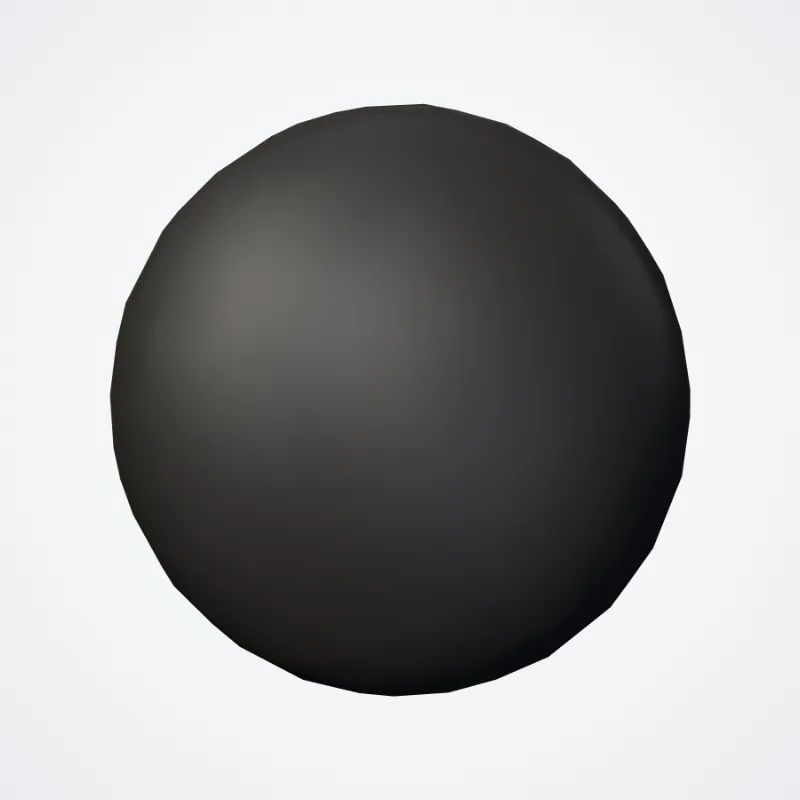
The lens is a transparent biconvex structure in the eye that, along with the cornea, helps to refract light to be focused on the retina.
By changing shape, it functions to change the focal length of the eye so that it can focus on objects at various distances, thus allowing a sharp real image of the object of interest to be formed on the retina.
This adjustment of the lens is known as accommodation (see also below).
Accommodation is similar to the focusing of a photographic camera via movement of its lenses.
The lens is flatter on its anterior side than on its posterior side. The lens is also known as the aquula (Latin, a little stream, dim. of aqua, water) or crystalline lens.
In humans, the refractive power of the lens in its natural environment is approximately 18 dioptres, roughly one-third of the eye's total power.
Continue reading on Wikipedia →
Source: Wikipedia · Text licence: CC BY-SA 3.0 · This text comes from the source data and has not been reviewed by a person yet.
Names
- Latin
- Lens
- English
- Lens
- French
- Cristalin
- Spanish
- Lente
- Portuguese
- Lente